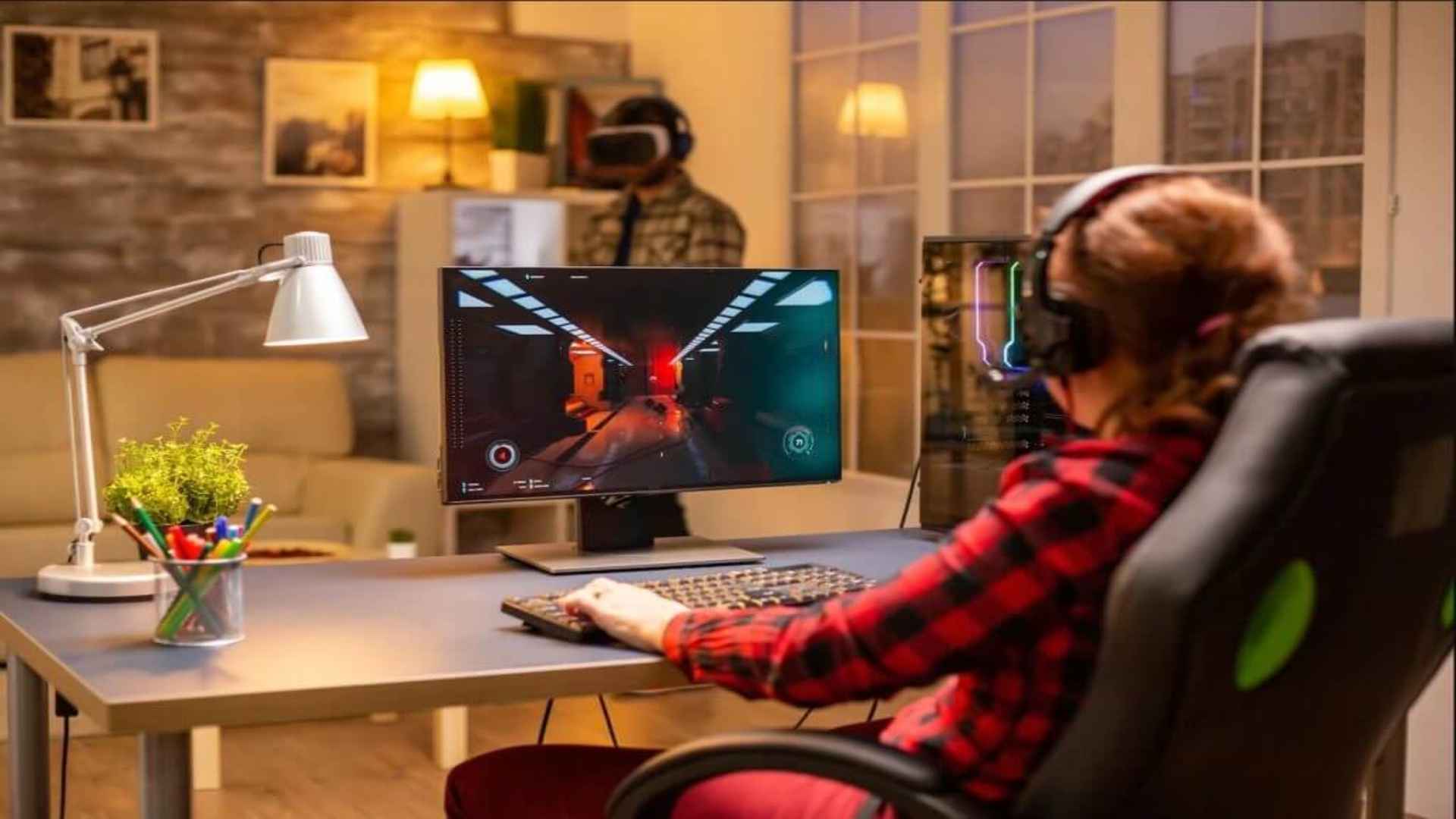
Coordinating effective tactical maneuvers in fast-paced multiplayer games often feels challenging when playing with random allies or without active voice communication. Pinch attacks, which trap an enemy between two converging angles of fire, rely heavily on shared spatial awareness rather than verbal instructions. By learning to read non-verbal cues and positioning, players can consistently execute devastating pinches that secure map control and eliminate key targets.
Reading Teammate Positioning and Movement Trajectories
Executing a successful pinch without voice chat begins with constantly monitoring your squad's positions on the mini-map and battlefield. When you notice an ally advancing down one flank, avoid stacking on top of them or pushing the same corridor. Instead, take a wide outer lane that creates a complementary crossfire angle against the target.
Observing your teammate's movement trajectory provides clear signals about their tactical intent. If an ally aggressively pressures an opponent toward a wall or obstacle, they are actively setting up a trap. Recognizing these unspoken setups allows you to cut off the enemy's obvious retreat path before they realize they are trapped.
Utilizing In-Game Quick Signals and Pin Communication
Modern competitive games offer robust ping systems and quick-chat wheels designed specifically for non-verbal coordination. Directing an alert ping toward an isolated opponent or a specific choke point signals your intention to collapse on that position. Consistent ping usage gives your team a shared objective focus without delaying action.
Timing your signals is just as critical as selecting the right ping type. Sending an attack command a few seconds before committing allows your ally time to adjust their stance and move into a supporting angle. Clear signaling ensures both players strike simultaneously, leaving the trapped enemy with zero reaction time.
Capitalizing on Enemy Cooldowns and Distractions
A natural opportunity for an uncoordinated pinch arises when an opponent commits their main abilities or ammunition against your teammate. Watching from a secondary angle allows you to track enemy skill usage safely. Once the opponent exhausts their dodge abilities or defensive gadgets, you can strike from their blind spot.
While your teammate absorbs the enemy's attention, your primary goal is to close distance without revealing your vector too early. Using natural cover and sightline breaks keeps your approach hidden until the trap is fully sprung. This silent coordination forces the target to make a panicked decision between two immediate threats.
Maintaining Spacing to Avoid Collateral Damage
Proper distance between pinching allies is essential to prevent enemy area-of-effect abilities from striking both players at once. Maintaining an approximate ninety-degree angle relative to the target maximizes your coverage while minimizing shared danger. This geometry forces the enemy to choose which player to face, leaving their back completely exposed.
If the target attempts to turn and attack you, your teammate must immediately collapse to apply backline pressure. Rotating responsibilities based on target focus keeps the pressure continuous and unpredictable. Mastering this fluid interchange builds high-level team synergy without ever speaking a word.